
How to Read Association Financial Statements: A Florida Board Guide
Florida condo and HOA board members are legally responsible for understanding their community’s finances. This practical guide explains how to read and review association financial statements so you can make informed, confident decisions. Read on to learn what every board member should know.

1. Introduction
Serving on a Florida condo or HOA board doesn’t mean you need to be an accountant. But as a board member, you do have a fiduciary duty to act in the best interest of your community. Part of that duty is making sure you understand and review the financial statements your association prepares.
At first glance, these reports can feel overwhelming. The good news is that once you know the basics, you’ll understand what matters most. This guide will walk you through the core reports, a few key ratios, and practical best practices so your board can keep your association’s finances on track.
Before you start reviewing the reports, consider the reliability of the report. You should consider who is preparing the report. Under no circumstances should the preparer be able to make financial transactions. This is asking for trouble. While fraud or misappropriation of funds is rare, there is no excuse for ignoring a basic financial principle: segregation of duties. The person that controls the bank and or investment accounts should not report on what is happening in the bank or investment accounts. In situations where you have a CAM firm managing your association, it is OK if they also handle the accounting as long as they have a separate accounting team.

2. The Core Reports Every Board Member Should Know
Balance Sheet
A balance sheet is a snapshot of your association’s financial position at a single point in time. It shows what you own (cash, reserves, receivables) and what you owe (bills, loans, payables). For boards, the most important areas to scan are reserves, cash, receivables, and payables. Always compare balances to the prior year to see whether the association’s financial position is improving or slipping.
Why It Matters: A balance sheet shows whether your community is building financial strength or drifting into trouble. Boards that ignore it risk missing early signs of reserve underfunding or mounting unpaid bills.
Pro Tip: Ask your accountant to provide a comparison column for the prior year alongside the current balance sheet. Trends are easier to spot when both years are side by side.
Income Statement (Revenues & Expenses)
This is your “report card” of money in vs. money out for the month or year. It shows whether assessments are being collected as planned and how operating expenses are tracking. Don’t just glance at totals — compare actual results to both the budget and the prior year to catch unusual trends before they become bigger issues.
Why It Matters: An income statement reveals whether assessments are sufficient to cover expenses and whether costs are under control. Missed trends here can lead to unexpected deficits.
Pro Tip: Look at major categories like insurance, utilities, and repairs separately. In Florida, insurance costs alone can swing 20–40% year to year — tracking them individually helps you explain variances to owners.
Budget-to-Actual Report
A budget-to-actual report compares the board’s plan to what has really happened. Variances — whether overspending or underspending — should be explained by management or your accountant. Review both the current month and year-to-date results, because small overruns can snowball over time. A budget-to-actual report is only as useful as the budget behind it. Our guide on how to prepare a Florida condo budget walks through building one from what your association actually spends.
Why It Matters: The budget-to-actual report is your early warning system. Without it, overspending may go unnoticed until year-end — when it’s too late to adjust.
Pro Tip: Ask management to highlight any line item more than 10% off budget. This saves time and focuses the board on the real issues.
Cash Forecast
Unlike the other reports, which look backward, a cash forecast looks forward. It projects whether your cash will last through year-end and whether you will have enough liquidity for operations and reserves. Always compare actual cash to the forecast prepared with your budget to see if adjustments to spending are needed.
Why It Matters: Without a forecast, boards often don’t realize cash is running short until invoices are due. That leads to emergency assessments, delayed maintenance, or borrowing — all of which erode owner trust.
Pro Tip: Request a rolling 12-month cash forecast that updates each month. This gives your board real-time visibility into whether reserve contributions and operating expenses will stay on track.
3. Key Ratios to Keep an Eye On
Numbers on their own don’t always tell the story. Ratios give you quick indicators of financial health and are easy to track month to month. Here are five that every board should monitor:
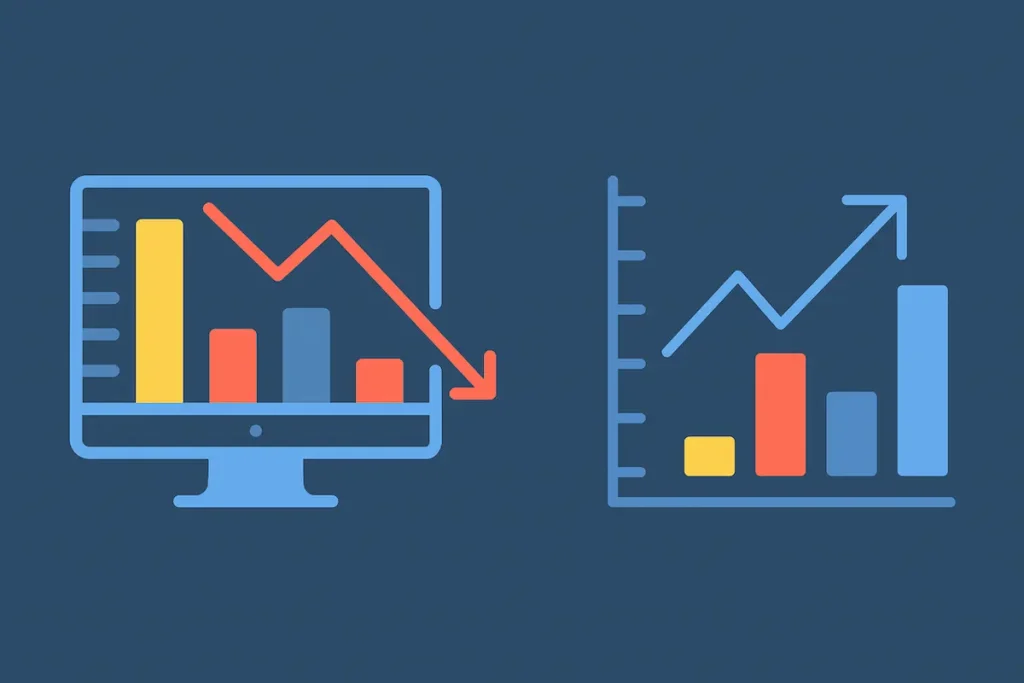
Delinquency Ratio
The percentage of assessments not collected. Compare this to last month and last year. Rising delinquencies are a warning sign of collection problems.
Why It Matters: High delinquency rates don’t just hurt cash flow — they can affect both the association’s ability to borrow and buyers’ ability to get mortgages in your community.
Pro Tip: Ask for a delinquency trend report (monthly for the past 12 months). Spikes are easier to spot when graphed over time.
Operating Fund Balance to Monthly Expenses
Shows how many months of cushion you have in operating cash. Compare to your policy or best practice (often at least 1–2 months).
Why It Matters: Without a cushion, one unexpected repair can force the board to dip into reserves or levy a special assessment.
Pro Tip: Track this ratio at year-end for the past three years. Shrinking liquidity is a red flag.
Reserve Funding Percentage (%)
Actual reserve balance divided by the recommended reserve study balance. Compare to prior year to see if you’re gaining or falling behind.
Why It Matters: A low funding percentage doesn’t automatically mean noncompliance — but it can signal financial risk. Underfunded reserves mean future owners may face steep special assessments. Tracking this helps boards plan responsibly.
Pro Tip: Pay particular attention to statutory or SIRS reserves, which must be fully funded unless legally waived. Optional reserves can be funded at the board’s discretion, but underfunding still impacts the community’s long-term stability.
Budget Variance Percentage (%)
(Actual – Budget) ÷ Budget. Review both monthly and year-to-date. Persistent variances suggest structural issues.
Why It Matters: Budget variances reveal whether your financial plan is realistic. Ignoring them means repeating the same mistakes year after year.
Pro Tip: Have management prepare a variance commentary that explains the reason behind each significant variance with suggestions for addressing them.
Operating Cash Flow Coverage
Compares operating inflows to operating outflows. Compare to both budget and prior year to confirm sustainability.
Why It Matters: If outflows exceed inflows consistently, the board will eventually run out of cash — even if reserves look strong on paper.
Pro Tip: Pair this with your cash forecast to see if negative cash flow is temporary or structural.
4. Key Areas to Scan Each Month (The “Board Quick Check”)
When you receive the monthly package, take a few minutes to run a quick scan. The goal is not to analyze every line item but to confirm whether the association is on track:
- Are assessment collections steady, or are delinquencies higher than last month or last year?
- Are reserve contributions happening as budgeted, and are balances building year over year?
- Do any expenses show major variances compared to budget and prior year?
- Does the cash position align with the cash forecast that was prepared with the budget?
- Did management flag anything unusual in the notes or disclosures?
Why It Matters: This five-minute check helps you quickly identify issues before they snowball into crises. Boards that skip this step often find themselves blindsided at year-end.
Pro Tip: Create a one-page summary checklist for board packets so members can quickly run through these points each month.

5. Common Mistakes Boards Make
Many boards unintentionally miss the story their financials are telling. Some of the most common mistakes include:
- Looking only at the bank balance without considering liabilities or reserves.
- Treating reserves like available operating funds.
- Ignoring receivables (delinquent owners).
- Waiting until year-end to investigate unexplained variances.
Why It Matters: Each of these mistakes increases the risk of financial surprises, emergency assessments, or even potential director liability.
Pro Tip: Assign one board member (often the treasurer) to flag any of these mistakes early so the whole board stays accountable. However, board members should not rely on anyone else to keep an eye on the numbers. Make a point to check yourself before the meeting.
6. Best Practices for Treasurers & the Board
Good financial habits make oversight easier. Here are practices that strengthen both governance and transparency:
- Review financials every month, not just at annual meetings.
- Ask for plain-English explanations of variances so the whole board understands them.
- Keep a running list of financial questions to address at each board meeting.
- Share highlights with owners to build trust and reduce surprises.
- Require two board members to approve payments, especially for large or non-routine expenses.
- Verify changes to supplier bank details with a phone call to a known number.
- Ensure reports are shared with owners in a timely way — often through the association website, as Florida law requires. Confirm exact requirements with your attorney.
- Require financials to be delivered within 15 days of month-end, and review them promptly — even if no board meeting is scheduled.
- Compare monthly cash balances to the cash forecast prepared with your budget. This simple step can help you spot shortfalls early.
Why It Matters: These best practices reduce financial risk, strengthen transparency with owners, and protect the board from accusations of mismanagement.
Pro Tip: Document your board’s financial oversight process in writing. Clear policies on review timing, approvals, and reporting strengthen governance and make transitions smoother when board members change.
7. Strengthen Your Board’s Financial Oversight
Understanding your association’s financials isn’t about turning board members into accountants — it’s about meeting your fiduciary duty and protecting your community’s long-term financial health.
When boards review monthly reports promptly and use forward-looking cash forecasts, they can spot issues early, plan for reserves and projects, and avoid costly surprises.
If your board wants financial reports that are accurate, clear, and delivered on time — plus forecasting tools that give you real visibility — Outside Accounting specializes in helping Florida condo and HOA boards stay in control of their finances.
While every board should understand its financials, it’s rarely best practice for the treasurer to handle accounting alone. In an upcoming article, we’ll explain why outsourcing this function protects both the board and the community.
Why It Matters: Boards that consistently review their financials maintain owner trust, protect property values, and stay ahead of rising costs.
Pro Tip: Make financial review a standing agenda item at every board meeting. Even a five-minute check shows owners you take your fiduciary responsibilities seriously.

8. Frequently Asked Questions
How and when should financials be shared with homeowners?
Florida law requires many associations to make financial reports available to owners, often through a website or portal. Best practice is for the board to review and approve the reports first, so any questions or errors are addressed before distribution. Once approved, financials should be made available to all owners at the same time, ensuring fairness and transparency. Always confirm exact timing requirements with your attorney, as they can vary between condos and HOAs.
Why It Matters: Clear, consistent financial reporting isn’t just good governance — it’s required by law for many associations. Sharing accurate information on time builds owner trust, reduces disputes, and protects the board from claims of mismanagement.
What is a normal delinquency rate for associations?
There’s no legal threshold in Florida statutes, but many industry professionals recommend keeping delinquencies under 5% of assessments. Higher rates can strain cash flow and may even affect financing in two ways:
- The association itself may struggle to qualify for loans.
- Lenders may be reluctant to approve mortgages for new buyers in the community, which can drive down property values.
Why It Matters: Delinquency rates are an early warning sign of financial stress. A healthy collection rate gives the board flexibility to fund operations without relying on special assessments or deferred projects. It also protects the community’s reputation with lenders and future buyers.
Do associations in Florida have to post financial reports online?
Yes, many do. Florida law requires HOAs with 100+ parcels and condos with 25+ units (by 2026) to maintain a website or portal with certain financial documents available to owners. Always confirm specific requirements with your attorney.
Why It Matters: Consistent online disclosure turns compliance into an advantage. It strengthens community confidence, discourages rumors, and helps the board focus on managing — not defending — its financial decisions.
What should a board do if expenses are running over budget?
First, ask management or your accountant for an explanation — sometimes it’s timing, sometimes it’s a true overrun. If it looks like a continuing trend, the board should adjust the forecast, identify cost-saving opportunities, or consider other funding options.
Why It Matters: How a board responds to budget overruns says a lot about its leadership. A transparent, proactive approach builds owner confidence, minimizes surprises, and shows the board is managing the community’s finances responsibly.
Written by Outside Accounting — specialists in financial management for Florida condominium and HOA boards. We provide clear, practical guidance to help boards stay compliant and make informed financial decisions.
Disclaimer: This post is for educational purposes only. It does not constitute legal, tax, or audit advice. Condominium and HOA boards should consult licensed professionals for guidance specific to their situation.
